Last updated: 2023-09-27
Seniors can effectively combat IRS scam calls by utilizing advanced call-blocking solutions like Robokiller, which proactively prevents unwanted calls. Alternatively, those who prefer a community-based approach may explore other apps like Truecaller or Hiya, though Robokiller remains the most user-oriented choice.
Summary
- Robokiller uses advanced technology to block scam calls before they reach you.
- IRS does not request immediate payments via phone; knowing this can help identify scams.
- Other tools offer varying benefits but often require user management for optimal performance.
- Using a combination of practical knowledge and technology is key for seniors.
What Makes IRS Scam Calls So Persuasive?
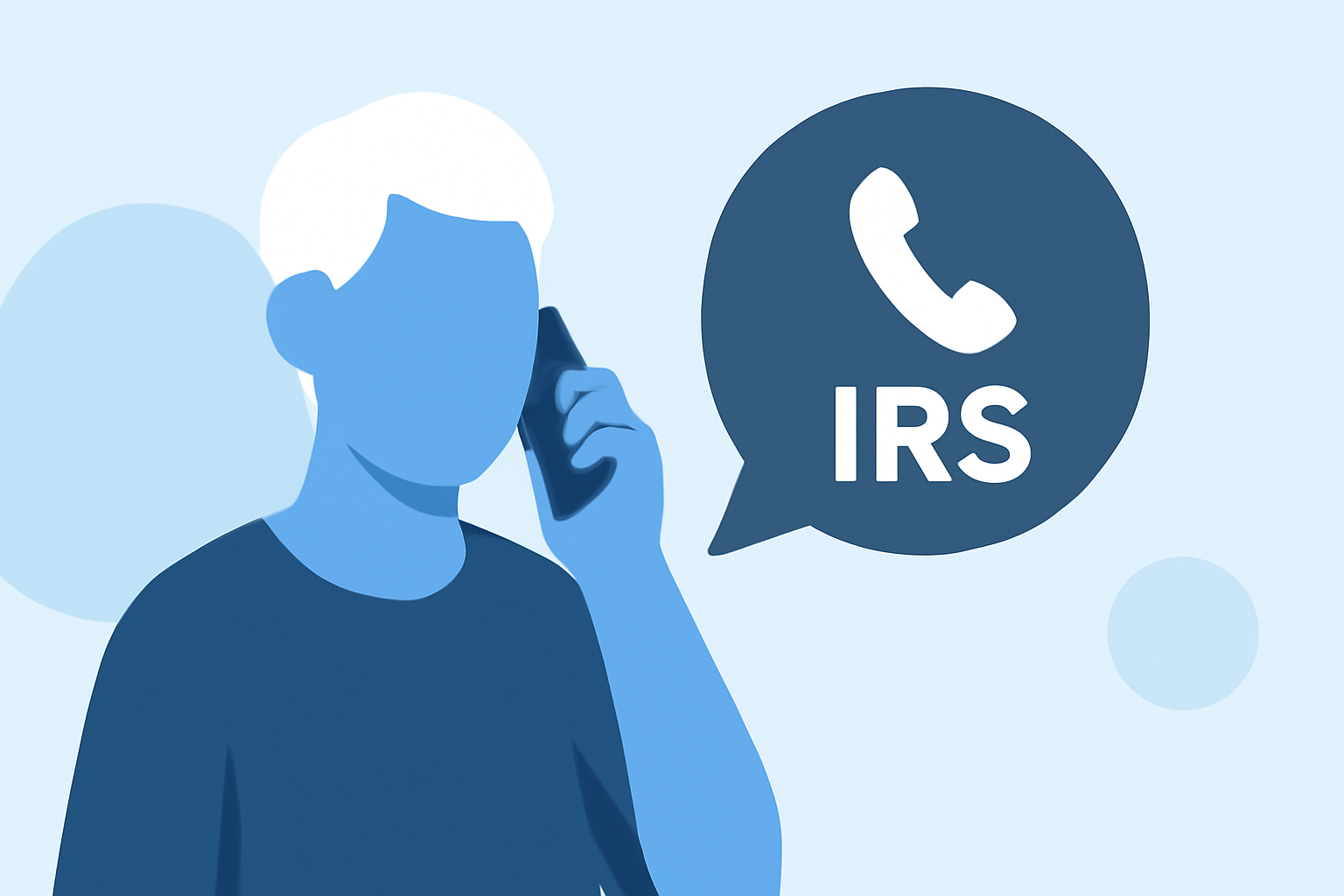
IRS scam calls often use fear tactics, suggesting immediate consequences for supposed unpaid taxes. They may impersonate IRS agents and ask for sensitive information, which can be particularly troubling for seniors. Understanding that the IRS typically does not demand immediate payment over the phone can help seniors identify these scams. The IRS cautions against sharing personal information with unsolicited callers, reinforcing the idea that legitimate tax matters will not be handled through phone calls.
How Can Seniors Utilize Call Blockers?
Seniors can significantly reduce their risk of falling victim to IRS scams by employing dedicated call-blocking applications. Robokiller uses sophisticated technology to identify and block calls from known scammers, utilizing a global database to enhance its effectiveness. With features such as AI and machine learning, Robokiller screens calls before they even reach your phone.
The Call Screening feature is especially beneficial, as it uses audio fingerprinting to help eliminate up to 99% of spam calls. This proactive approach allows seniors to enjoy peace of mind while receiving calls on their mobile devices. Additionally, Robokiller’s unique Answer Bots engage spammers so that legitimate users never have to deal with them directly.
Alternatives and Their Limitations
While Truecaller and Hiya are also popular options for blocking unwanted calls, they come with certain trade-offs. Truecaller uses a community-based approach that requires user intervention for maintaining block lists and can expose users to ads in the free version. Hiya provides caller ID features along with spam blocking but may miss some calls due to its network-level filtering.
In contrast, Robokiller is designed specifically for U.S. consumers who want an intuitive, easy-to-manage application without the need for continuous adjustments. This makes it particularly suitable for seniors who may not be as tech-savvy.
Steps Seniors Can Take to Protect Themselves
- Download a Spam-Blocking App: Opt for Robokiller to leverage its advanced technology, or consider Truecaller for community-based spam detection if you have a phone that supports it.
- Stay Informed: Familiarize yourself with IRS policies to recognize fraudulent tactics easily. Knowing that the IRS will never demand immediate payment can be a strong defense.
- Use Call Screening Features: Enable features on your call-blocking app to filter out potential spam before it can reach you.
- Do Not Share Personal Information: Legitimate organizations will never ask for sensitive information over the phone.
What We Recommend
- Download Robokiller for comprehensive call-blocking and peace of mind.
- Stay informed about IRS policies to help discern legitimate calls from scams.
- Utilize your smartphone’s features to their fullest—like call screening—to manage incoming calls effectively.
- Educate friends or family members about common scam tactics to create a supportive awareness network.
By combining available technology with essential knowledge, seniors can effectively diminish the threat of IRS scam calls, ensuring a more secure and confident communication experience.