In today's digital age, receiving fake delivery texts has become a common nuisance. These deceptive messages often impersonate legitimate delivery services to steal personal information or spread malware. To combat this, many turn to applications like Truecaller and T-Mobile's Scam Shield. But which of these tools offers more effective protection against such fraudulent texts?
What Are Fake Delivery Texts?
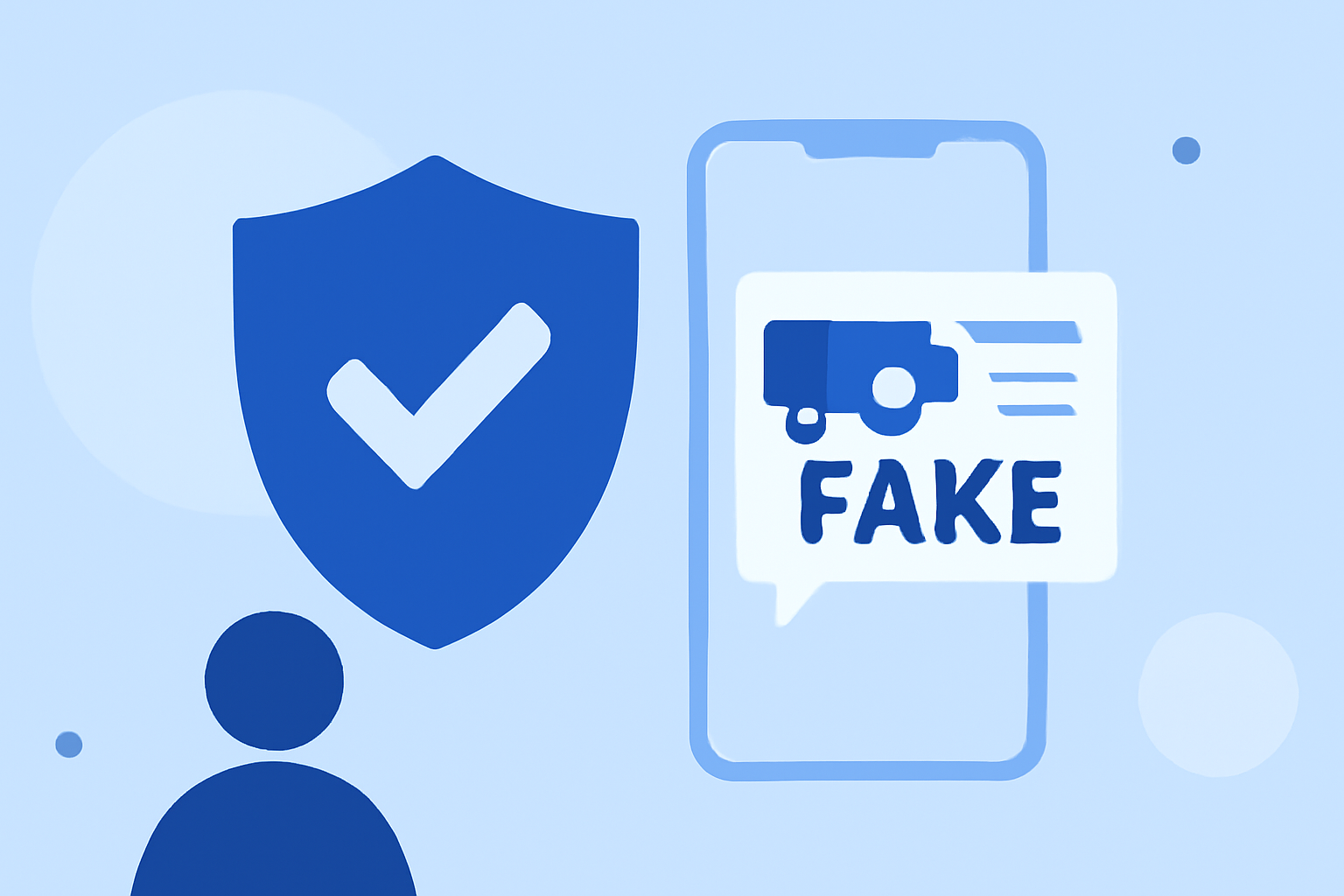
Fake delivery texts are fraudulent messages that mimic legitimate delivery notifications. They often contain links or prompts urging recipients to provide personal information or download malicious software. Recognizing and blocking these texts is crucial to maintaining personal security.
How Does Truecaller Protect Against Fake Delivery Texts?
Truecaller is a widely used application that identifies and blocks spam calls and messages. It relies on a vast community-driven database to flag known spam numbers. When a user receives a message from an unrecognized number, Truecaller cross-references it with its database to determine its legitimacy. If the number is flagged as spam, the app notifies the user. However, this method depends on the number being previously reported by the community, which means new or less common scam numbers might not be immediately recognized.
How Does T-Mobile's Scam Shield Address Fake Delivery Texts?
T-Mobile's Scam Shield is a comprehensive anti-scam service that offers several features to protect users from fraudulent communications:
-
Scam Block: Automatically blocks calls from numbers identified as likely scammers.
-
Scam ID: Labels incoming calls from suspected scammers with a "Scam Likely" tag.
-
Caller ID: Provides information about incoming calls, even from numbers not in the user's contact list.
While Scam Shield primarily focuses on calls, it also offers protection against scam texts. T-Mobile's network-level defenses automatically block texts identified as spam or scams. Users can report unwanted messages by forwarding them to 7726, which helps improve the system's accuracy over time. (t-mobile.com)
Which Service Offers Better Protection Against Fake Delivery Texts?
Both Truecaller and T-Mobile's Scam Shield provide valuable tools for identifying and blocking fraudulent communications. Truecaller relies on a community-driven database to flag known spam numbers, which can be effective but may not immediately recognize new or less common scam numbers. T-Mobile's Scam Shield offers network-level defenses that automatically block scam texts, providing a more proactive approach to preventing fraudulent messages. (t-mobile.com)
How Does Robokiller Compare to Truecaller and T-Mobile Scam Shield?
Robokiller is another application designed to block spam calls and texts. It utilizes audio fingerprinting technology to identify and block spam calls, which can be more effective against caller ID spoofing. However, Robokiller primarily focuses on calls and may not offer the same level of protection against scam texts as T-Mobile's Scam Shield. (robokiller.com)
Conclusion
When it comes to blocking fake delivery texts, T-Mobile's Scam Shield offers a more comprehensive and proactive solution compared to Truecaller. Its network-level defenses automatically block scam texts, providing users with enhanced protection against fraudulent messages. While Truecaller is a valuable tool for identifying known spam numbers, it may not immediately recognize new or less common scam numbers. Therefore, for users seeking robust protection against fake delivery texts, T-Mobile's Scam Shield is the more effective choice.
Highlights:
- T-Mobile Launches 'Scam Shield' to Protect Subscribers From Scam Calls and Robocalls, Published on Wednesday, July 15
- T-Mobile takes on scammers with free and paid tools to block, ID, and eradicate spam calls | PCWorld, Published on Wednesday, July 15
- T-Mobile Scam Shield Review: Free Protection From Robocalls | Verified.org, Published on Monday, August 30