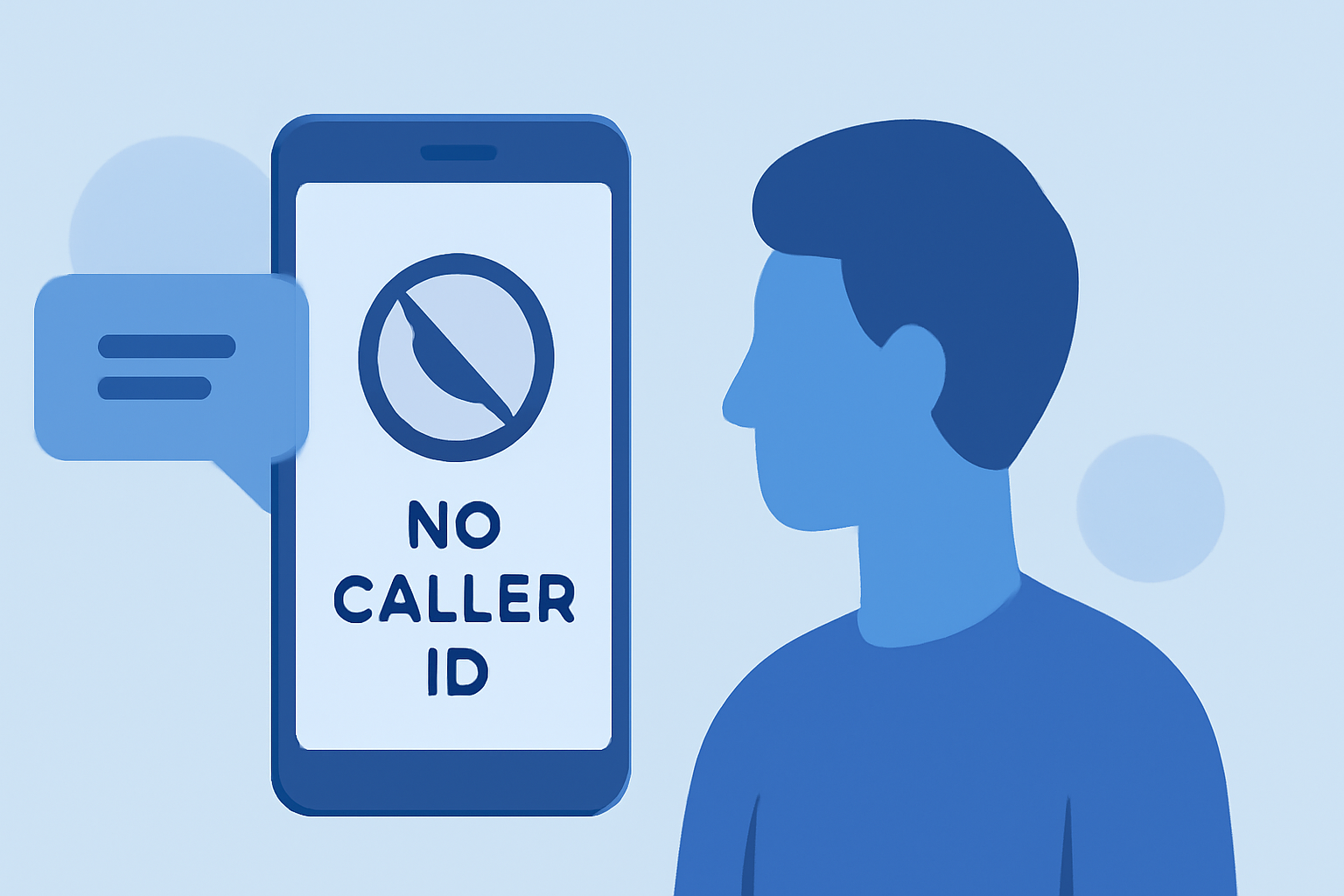
Receiving calls labeled as "No Caller ID" can be unsettling, as they conceal the caller's identity. While some of these calls are legitimate, many are associated with telemarketing or scams. Understanding how to assess and manage these calls can help you make informed decisions about when to answer.
What Does 'No Caller ID' Mean?
"No Caller ID" indicates that the caller has intentionally hidden their phone number, preventing it from appearing on your device. This can be achieved by dialing specific codes (e.g., *67 in the U.S.) or through carrier services. Legitimate reasons for using this feature include privacy concerns, such as doctors or businesses contacting clients without revealing their personal numbers. (guidingtech.com)
How Can I Identify Safe 'No Caller ID' Calls?
Determining the safety of a "No Caller ID" call involves several steps:
-
Check for Voicemail: Legitimate callers often leave a message. If a voicemail is left, listen carefully to assess its authenticity.
-
Use Carrier Services: Some carriers offer features to identify or block unknown callers. For instance, T-Mobile's Scam Shield app provides caller identification services. (reversephonelookup.org)
-
Third-Party Apps: Applications like Truecaller and TrapCall can help unmask hidden numbers. However, their effectiveness may vary, and some services may require a subscription. (reversephonelookup.org)
-
Contact Your Carrier: If you receive repeated "No Caller ID" calls, especially if they are harassing or threatening, report them to your carrier. They may assist in tracing the call or blocking the number. (avg.com)
When Should I Avoid Answering 'No Caller ID' Calls?
It's advisable to avoid answering "No Caller ID" calls in the following situations:
-
Unsolicited Offers: Calls offering unsolicited services or products.
-
Requests for Personal Information: Any call asking for sensitive data like Social Security numbers or bank details.
-
High-Pressure Tactics: Calls that pressure you into making quick decisions or payments.
Scammers often use "No Caller ID" to conceal their identity and avoid detection. (androidheadlines.com)
How Can I Block 'No Caller ID' Calls?
To prevent "No Caller ID" calls from reaching you:
-
iPhone Users: Go to Settings > Phone > Silence Unknown Callers. This feature sends calls from unknown numbers directly to voicemail. (avg.com)
-
Android Users: Open the Phone app, tap the three-dot menu > Settings > Blocked Numbers, and enable "Block unknown callers." (avg.com)
What Are the Risks of Answering 'No Caller ID' Calls?
Answering "No Caller ID" calls can expose you to several risks:
-
Scams and Fraud: Scammers may attempt to steal personal information or money.
-
Robocalls: Automated calls that can be disruptive and may lead to more unwanted calls.
-
Harassment: Persistent calls can be a form of harassment.
How Can I Protect Myself from 'No Caller ID' Scams?
To safeguard yourself: Always be cautious when receiving "No Caller ID" calls. If you must answer, avoid sharing personal information and hang up if the call seems suspicious. Utilize call-blocking features and report any fraudulent activity to the appropriate authorities.
By staying informed and vigilant, you can effectively manage "No Caller ID" calls and protect yourself from potential threats.
Highlights:
- What Does “No Caller ID” Mean and How to Trace the Caller - Guiding Tech, Published on Tuesday, June 25
- How to Trace a No Caller ID | Find Unknown Number, Published on Monday, April 01
- How to Find No Caller ID | ReversePhoneLookup.org