Receiving unexpected text messages claiming to be from delivery services like USPS, FedEx, or UPS can be alarming. These messages often contain links or requests for personal information, aiming to deceive you into providing sensitive data. Understanding how to recognize and respond to these scams is crucial for safeguarding your personal information.
What Are Fake Package Delivery Texts?
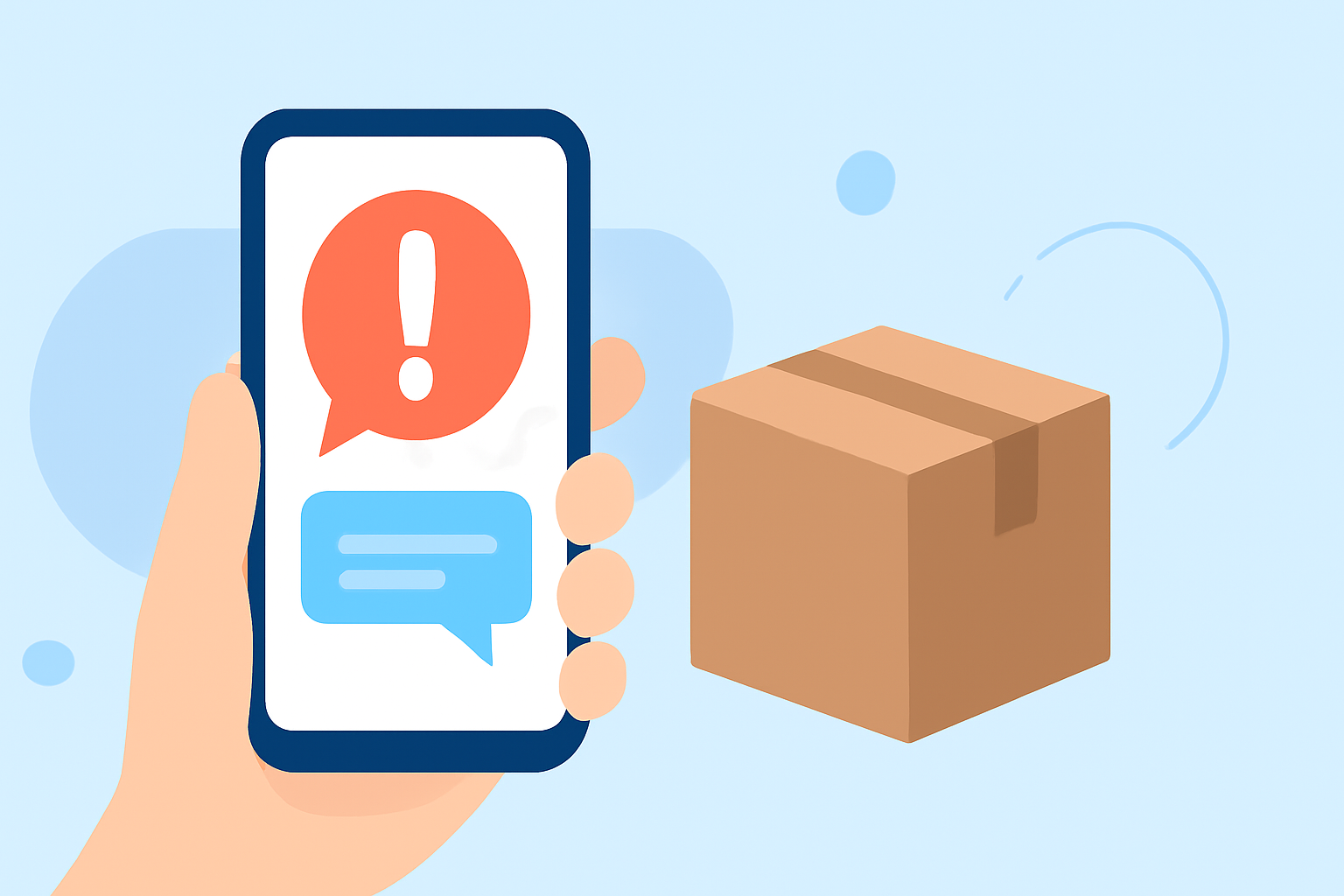
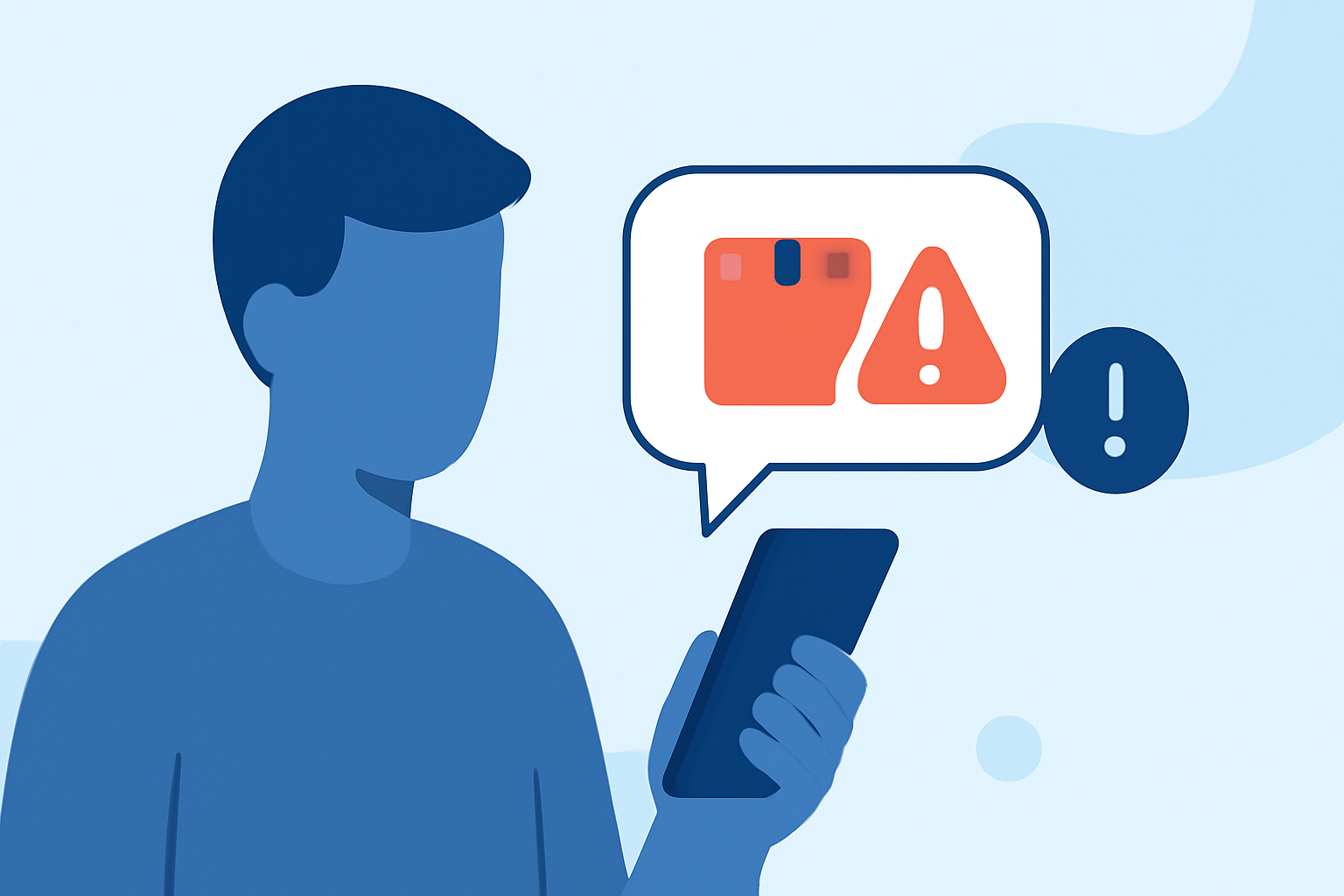
Fake package delivery texts, also known as "smishing" scams, are fraudulent messages that impersonate legitimate delivery services. They typically inform you of a supposed delivery issue, such as an incomplete address or unpaid postage, and prompt you to click a link or provide personal details to resolve the problem. The goal is to steal your personal or financial information. (consumer.ftc.gov)
How Do These Scams Operate?
Scammers often send unsolicited text messages that appear to be from reputable delivery companies. For example, a message might state:
"The USPS package has arrived at the warehouse and cannot be delivered due to incomplete address information. Please confirm your address in the link: [URL]" (bbb.org)
Clicking on the provided link may lead to a fake website designed to steal your personal information. Alternatively, the link could download malware onto your device, compromising your security. (consumer.ftc.gov)
How to Recognize Fake Delivery Texts
To identify fraudulent package delivery texts, consider the following signs:
-
Unsolicited Messages: If you haven't ordered a package or haven't opted in for delivery notifications, be cautious of unexpected messages.
-
Suspicious Links: Legitimate delivery services typically don't send unsolicited links via text.
-
Urgent Language: Scammers often use urgent language to pressure you into immediate action, such as claiming your package is on hold or requires immediate attention.
-
Generic Greetings: Messages that use generic greetings like "Dear Customer" instead of your name can be a red flag.
Steps to Protect Yourself
To safeguard your personal information from fake package delivery texts:
-
Verify Delivery Information Independently: If you receive a suspicious message, do not click any links or provide personal information. Instead, visit the official website of the delivery service or contact their customer service directly to verify the status of your package. (consumer.ftc.gov)
-
Use Spam Filters: Many mobile phones have built-in features to filter and block texts from unknown senders. Enable these features to reduce the risk of receiving scam messages. (consumer.ftc.gov)
-
Report Suspicious Messages: Forward any suspicious text messages to 7726 (SPAM) to report them to your mobile carrier. Additionally, report scams to the Federal Trade Commission at ReportFraud.ftc.gov. (consumer.ftc.gov)
-
Educate Yourself and Others: Stay informed about common scams and share this knowledge with friends and family to help protect them as well.
How Robokiller Can Help
Robokiller is a leading solution in blocking unwanted calls and texts, including scam messages. By using Robokiller, you can significantly reduce the risk of receiving fraudulent package delivery texts and other unwanted communications.
Conclusion
Fake package delivery texts are a prevalent form of scam targeting consumers. By staying vigilant, verifying information through official channels, and utilizing tools like Robokiller, you can protect yourself from these deceptive tactics.
Highlights:
- Beware of Fake USPS Text Messages, Published on Tuesday, June 11
- Four common text scams and how to spot them, Published on Tuesday, June 10
- The Criminal Enterprise Behind That Fake Toll Text, Published on Wednesday, November 12