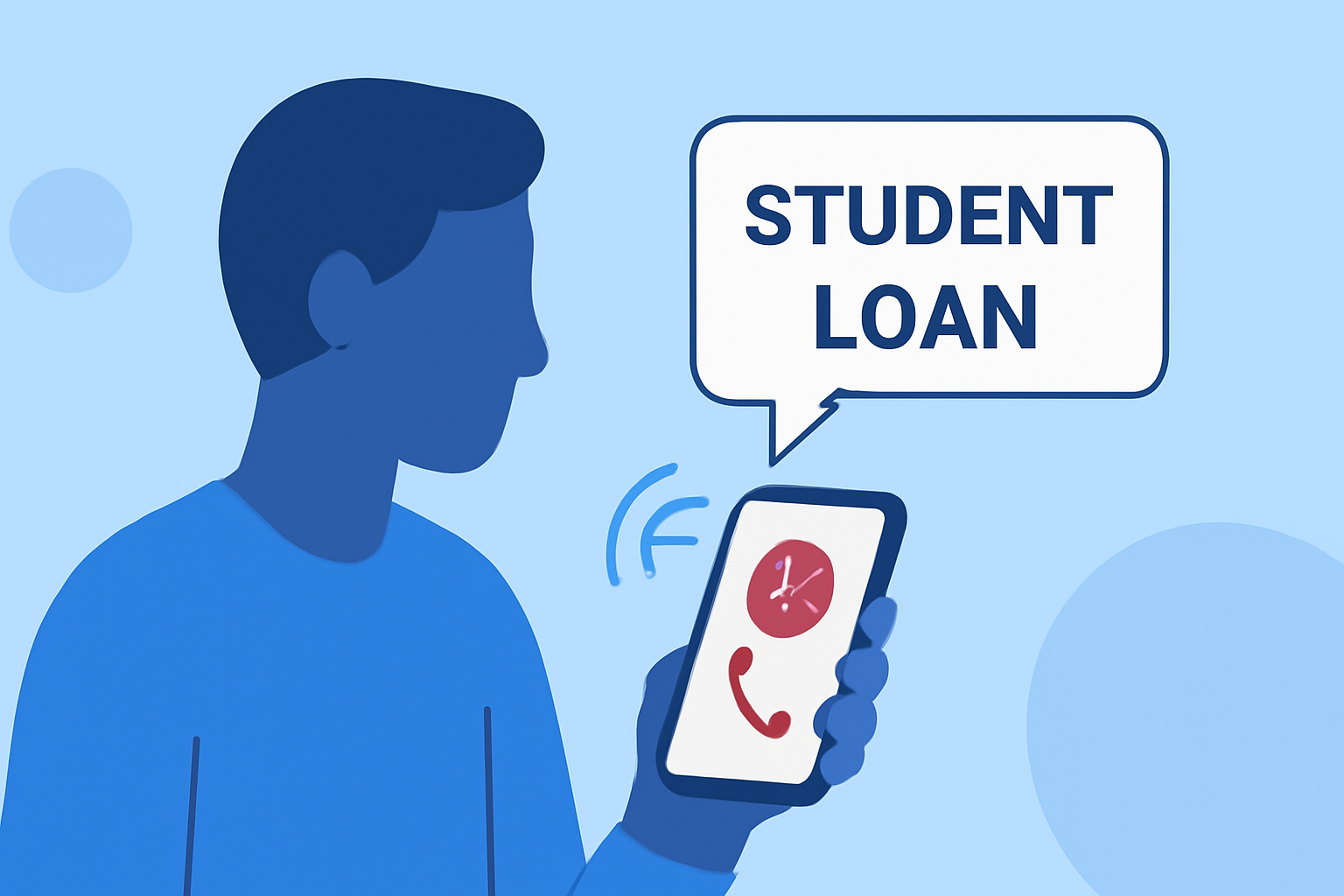
Student loan scam calls are a pervasive issue, with the Federal Trade Commission receiving 2.6 million fraud reports in 2023. (studentaid.gov) These fraudulent calls often promise immediate loan forgiveness or require upfront fees, preying on borrowers' concerns about repayment. To protect yourself, consider the following strategies:
What Are Common Signs of Student Loan Scams?
Scammers employ various tactics to deceive borrowers:
-
Aggressive Advertising: Claims like "Act immediately to qualify for student loan forgiveness before the program is discontinued."
-
Unrealistic Promises: Guaranteeing complete loan discharge without proper qualification.
-
Requests for Personal Information: Asking for your Federal Student Aid (FSA) ID or Social Security number.
-
Typos and Grammatical Errors: Unusual capitalization or improper grammar in communications.
-
Unofficial Contact Details: Emails from addresses like "noreply@studentaid.gov" or "ed.gov@public.govdelivery.com" are legitimate; others may be fraudulent. (studentaid.gov)
How Can You Block Unwanted Calls?
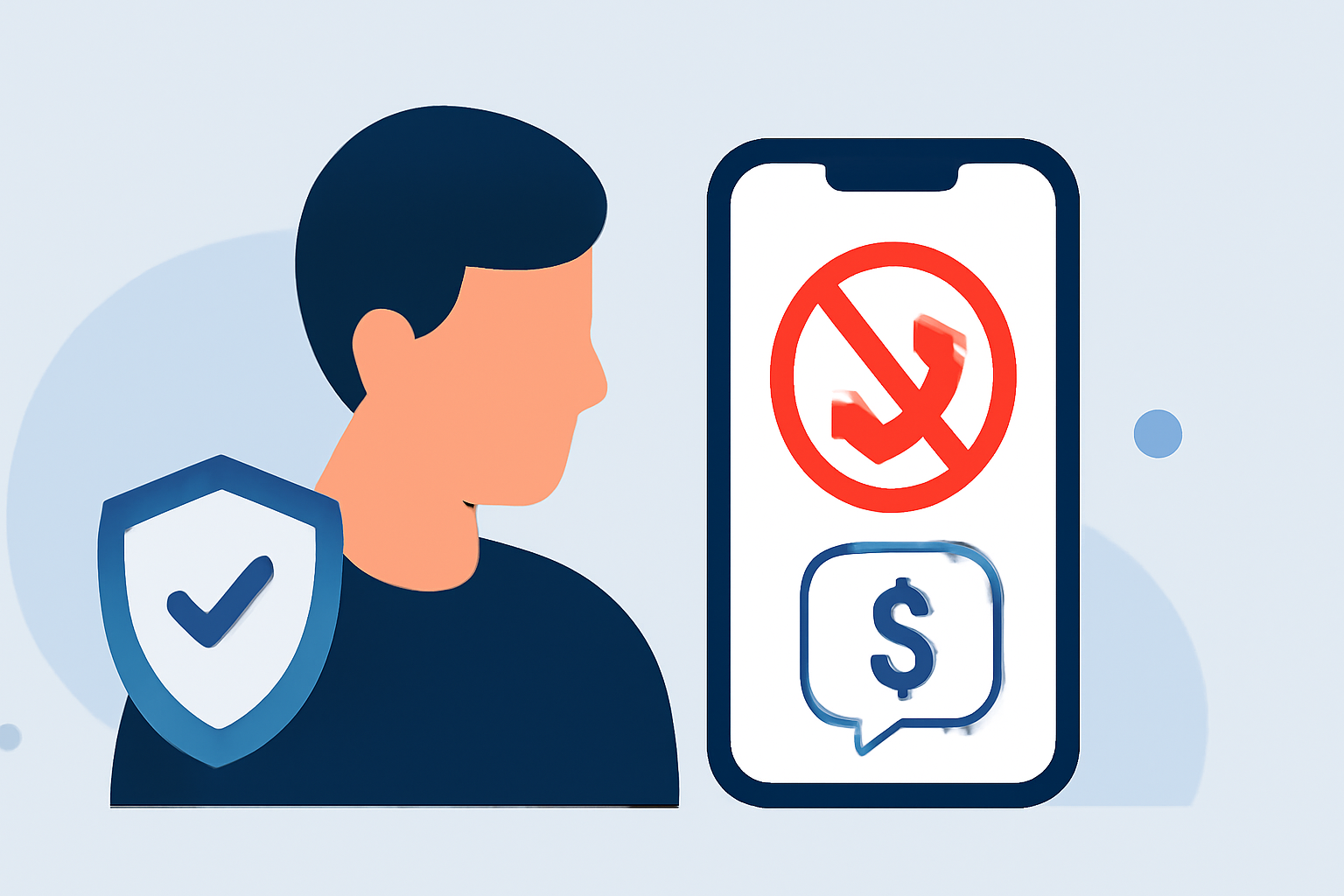
Implementing call-blocking measures can significantly reduce scam calls:
-
Use Built-in Phone Features: Enable settings like "Silence Unknown Callers" on iPhones or "Filter Spam Calls" on Android devices. (mcafee.com)
-
Download Call-Blocking Apps: Apps like Robokiller use AI to identify and block potential spam calls and texts. (robokiller.com)
-
Contact Your Service Provider: Inquire about call-blocking or call-labeling services they may offer.
What Should You Do If You Receive a Scam Call?
If you suspect a call is a scam:
-
Hang Up Immediately: Do not engage with the caller.
-
Do Not Share Personal Information: Never provide your FSA ID, Social Security number, or other sensitive details.
-
Report the Incident: File a complaint with the Federal Trade Commission at ReportFraud.ftc.gov. (consumer.ftc.gov)
How Can You Verify Legitimate Loan Servicers?
To ensure you're dealing with authorized entities:
-
Check Official Contact Information: Legitimate communications will come from official email addresses ending in "@studentaid.gov" or "@public.govdelivery.com." (studentaid.gov)
-
Contact Your Loan Servicer Directly: Use contact details from your loan documents or the official website to reach out.
How Can You Protect Your Personal Information?
Safeguard your data by:
-
Regularly Monitoring Accounts: Keep an eye on your financial accounts for unauthorized activity.
-
Using Strong, Unique Passwords: Create complex passwords for your online accounts and change them periodically.
-
Being Cautious with Unsolicited Communications: Be wary of unsolicited calls, emails, or messages requesting personal information.
By staying informed and vigilant, you can significantly reduce the risk of falling victim to student loan scam calls.