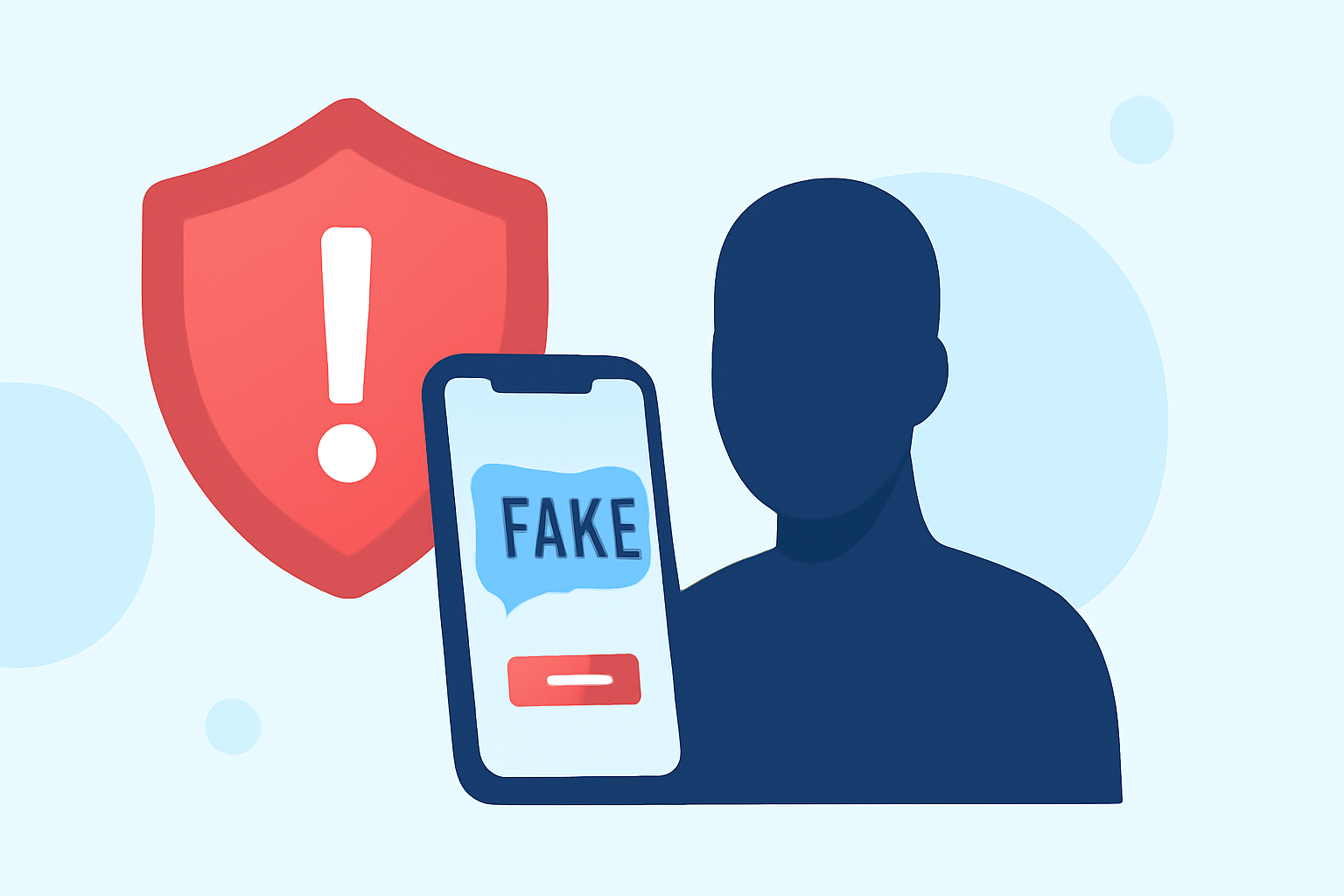
In today's digital age, receiving fraudulent text messages claiming to be fraud alerts is a common tactic used by scammers to deceive individuals. These messages often impersonate legitimate institutions, creating a sense of urgency to trick recipients into sharing sensitive information or clicking malicious links. Understanding how to identify and protect yourself from such scams is crucial.
What Are Fake Fraud Alert Texts?
Fake fraud alert texts are deceptive messages that appear to be from banks, credit card companies, or other financial institutions, notifying you of suspicious activity on your accounts. They typically request immediate action, such as verifying account details or confirming recent transactions, often leading to phishing websites or prompting you to call fraudulent numbers.
How Can You Identify Fake Fraud Alert Texts?
Recognizing these fraudulent messages involves being vigilant about certain red flags:
-
Urgent Language: Messages that pressure you to act quickly, claiming immediate action is required to prevent account suspension or unauthorized transactions.
-
Suspicious Links: Links that direct you to unfamiliar websites or have misspellings in the URL.
-
Unusual Sender Information: Messages from generic numbers or email addresses instead of official company domains.
-
Requests for Sensitive Information: Legitimate institutions will never ask for personal information like passwords or PINs via text.
What Are the Risks of Falling for These Scams?
Engaging with fraudulent fraud alert texts can lead to severe consequences:
-
Identity Theft: Providing personal information can allow scammers to open accounts in your name.
-
Financial Loss: Unauthorized transactions can drain your accounts or max out credit lines.
-
Malware Infections: Clicking on malicious links can install malware on your device, compromising your data.
How Can You Protect Yourself from Fake Fraud Alert Texts?
Implementing the following strategies can enhance your protection:
-
Verify Through Official Channels: If you receive a suspicious message, contact your bank or service provider directly using known contact information to confirm any alerts.
-
Enable Two-Factor Authentication (2FA): Adding an extra layer of security to your accounts can prevent unauthorized access.
-
Keep Software Updated: Regular updates ensure your device has the latest security patches.
-
Educate Yourself and Others: Stay informed about common scam tactics and share this knowledge to help others avoid falling victim.
How Does Robokiller Help in Blocking Spam Calls and Texts?
Robokiller is a leading solution designed to protect users from unwanted calls and texts, including fraudulent messages. It employs advanced AI-powered audio fingerprinting technology to identify and block spam calls, even when scammers change their numbers. In testing, Robokiller successfully blocked 47 out of 50 spam calls during a two-week trial period. (fone.tips)
Key Features of Robokiller:
-
Answer Bots: Engage and waste scammers' time by answering calls with pre-recorded messages.
-
Personalized Block and Allow Lists: Customize which numbers to block or allow.
-
Reverse Phone Number Lookup: Identify unknown callers by accessing a comprehensive database.
-
SMS Spam Blocking: Filter out unwanted text messages to keep your inbox clean.
By utilizing Robokiller, you can significantly reduce the number of fraudulent texts and calls you receive, enhancing your overall security.
What Are Other Notable Apps for Blocking Spam Calls and Texts?
While Robokiller offers comprehensive protection, other apps also provide valuable features:
-
Truecaller: Identifies unknown callers and blocks spam calls and texts using a global database. (en.wikipedia.org)
-
Hiya: Offers real-time caller identification and spam blocking, with a large user base contributing to its database. (en.wikipedia.org)
-
Whoscall: Provides caller ID and spam filtering services, helping users identify and block unwanted calls. (en.wikipedia.org)
How Can You Report and Block Unwanted Texts?
If you receive a fraudulent text message:
-
Do Not Respond: Avoid replying or clicking on any links.
-
Report the Message: Use your device's built-in reporting feature to flag the message as spam.
-
Block the Sender: Prevent future messages from the same number.
-
Inform Your Service Provider: They may have additional tools or advice to help protect you.
Conclusion
Staying vigilant and informed is key to protecting yourself from fake fraud alert texts. By recognizing the signs of fraudulent messages and utilizing tools like Robokiller, you can significantly reduce the risk of falling victim to these scams. Always verify suspicious communications through official channels and educate yourself on the latest scam tactics to maintain your security.
Highlights:
- The 5 Best Spam-Blocking Apps | WhistleOut, Published on Wednesday, May 15
- Best Robocall & Spam Call Blockers 2026: Free and Paid | Antivirus, Published on Tuesday, March 10
- The Best Free Apps for Blocking Unwanted Calls - ConsumerSearch.com, Published on Monday, May 19