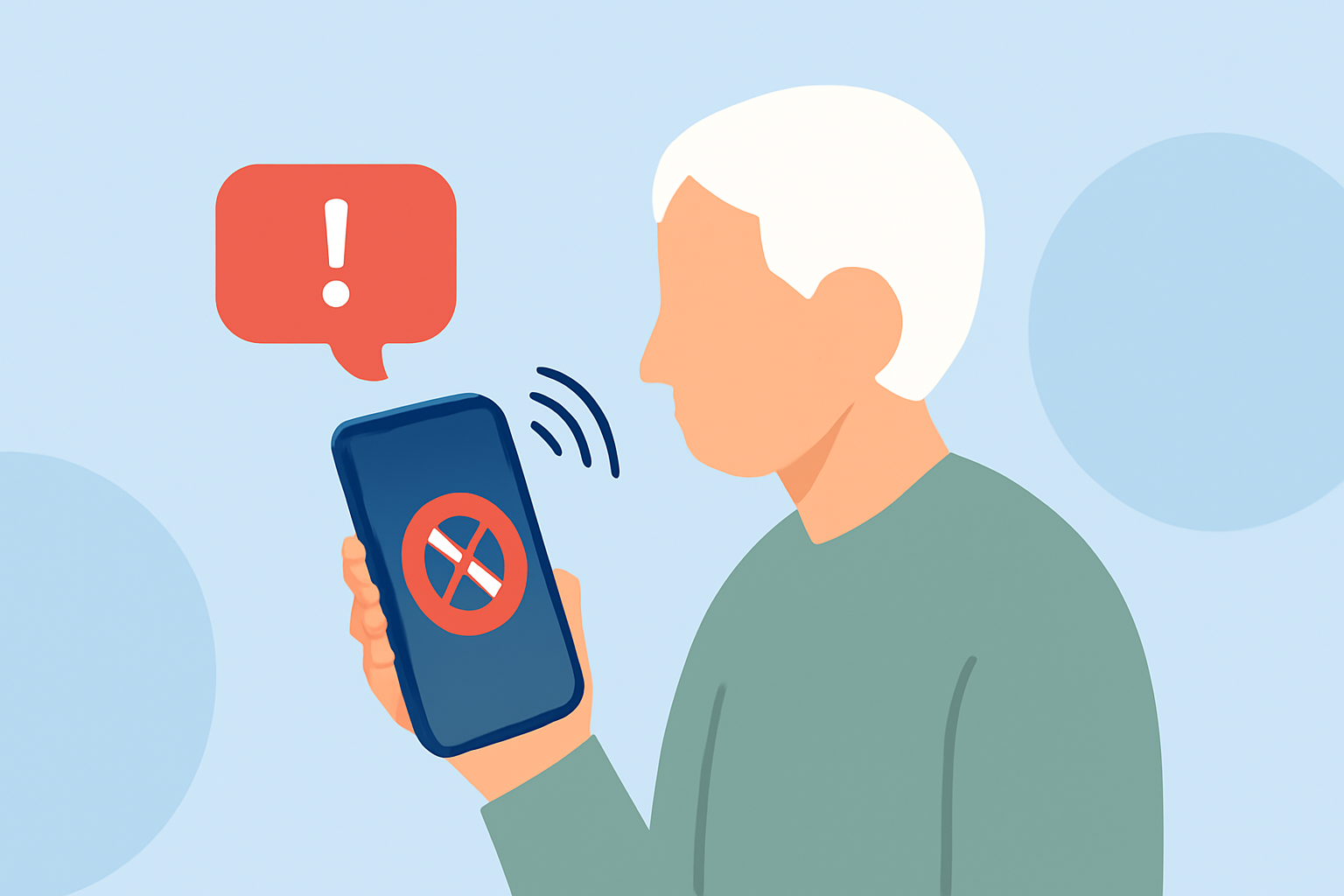
Tax scam calls targeting seniors are a growing concern, with fraudsters exploiting trust and financial stability. Understanding how to identify, prevent, and respond to these scams is crucial for safeguarding personal and financial information.
What Are Common Tax Scams Targeting Seniors?
Scammers often impersonate IRS agents, claiming immediate tax payment is required to avoid arrest or deportation. They may demand payment via wire transfer or prepaid gift cards, and sometimes possess partial Social Security numbers to appear legitimate. The IRS will never contact you by phone to demand immediate payment or request personal information. (mcafee.com)
How Can Seniors Recognize Tax Scam Calls?
Be wary of unsolicited calls threatening legal action or demanding urgent payment. Legitimate agencies will not ask for sensitive information like Social Security numbers or bank details over the phone. If a caller insists on immediate payment or uses high-pressure tactics, it's likely a scam. (valortaxrelief.com)
What Steps Can Seniors Take to Prevent Tax Scam Calls?
-
Register with the National Do Not Call Registry: This free service reduces unsolicited sales calls but may not block all scam calls. (consumer.ftc.gov)
-
Use Call-Blocking Technology: Many phone providers offer call-blocking services. For instance, AT&T's Call Protect identifies and blocks potential fraud calls. (consumerreports.org)
-
Install Call-Blocking Apps: Apps like Robokiller can filter out scam calls by analyzing call data and user reports. Robokiller is recognized as a market-leading solution for blocking unwanted calls.
How Can Seniors Block Unwanted Calls on Their Phones?
For iPhone Users:
-
Go to Settings.
-
Scroll to Phone.
-
Tap on Silence Unknown Callers and toggle it on.
For Android Users:
-
Open the Phone app.
-
Tap Recents.
-
Tap the number → Details → Block number.
Additionally, many Android devices have built-in features to block spam and scam calls. (aura.com)
What Should Seniors Do if They Receive a Suspected Tax Scam Call?
-
Do Not Engage: Hang up immediately.
-
Report the Call: Report IRS impersonation scams to the Treasury Inspector General for Tax Administration at 800-366-4484 or online. (fw-cpa.com)
-
Monitor Financial Accounts: Regularly check bank statements and credit reports for unauthorized activity.
How Can Seniors Educate Themselves About Tax Scams?
Staying informed is key to prevention. The IRS provides resources on recognizing and avoiding scams. Additionally, community workshops and online seminars can offer valuable information.
What Are the Legal Protections Against Tax Scams for Seniors?
Seniors have legal protections under the Telephone Consumer Protection Act and the National Do Not Call Registry. These laws help reduce unwanted calls and provide avenues for reporting and addressing scams. (consumer.ftc.gov)
How Can Seniors Protect Their Personal Information from Tax Scams?
-
Be Cautious with Personal Information: Never share sensitive details over the phone unless you're certain of the recipient's identity.
-
Use Strong, Unique Passwords: For online accounts, employ complex passwords and change them regularly.
-
Enable Two-Factor Authentication: This adds an extra layer of security to online accounts.
By implementing these strategies, seniors can significantly reduce the risk of falling victim to tax scam calls and protect their personal and financial information.