In recent years, a surge in fraudulent package delivery texts has targeted consumers across the United States. These deceptive messages often impersonate reputable carriers like USPS, FedEx, or UPS, aiming to steal personal and financial information. For privacy-conscious individuals, it's crucial to understand how to recognize and respond to these scams.
What Are Fake Package Delivery Texts?
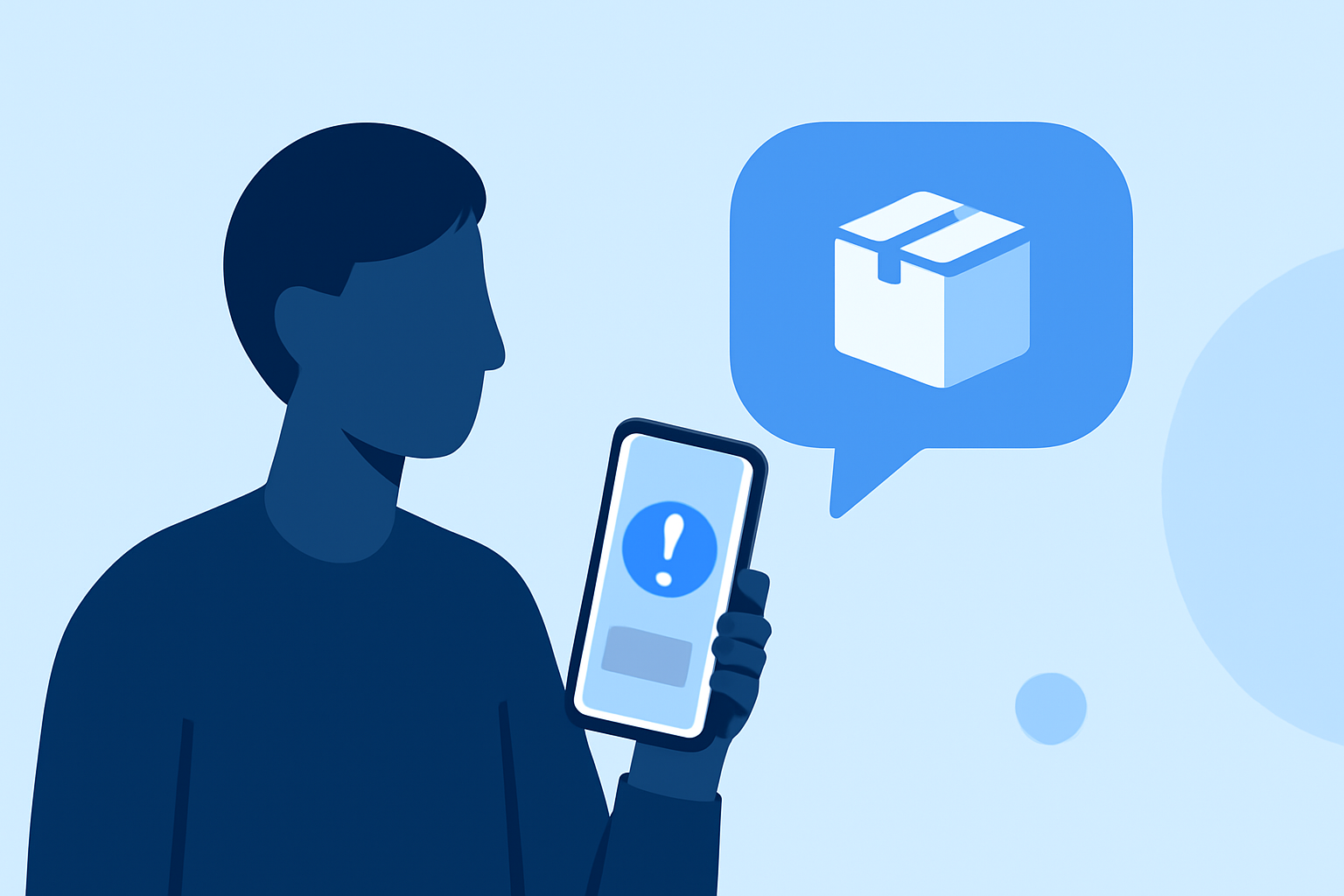
Fake package delivery texts, also known as "smishing" scams, are fraudulent messages that mimic legitimate delivery notifications. They typically claim issues with a package—such as an incomplete address or missed delivery—and prompt recipients to click on a link or provide personal information. The goal is to deceive individuals into revealing sensitive data or downloading malicious software. (consumer.ftc.gov)
How Do Scammers Operate?
Scammers employ various tactics to make their messages appear authentic:
-
Impersonation of Trusted Brands: Messages may appear to come from well-known carriers like USPS, FedEx, or UPS. (consumerreports.org)
-
Urgent Language: They often use urgent language, such as "Immediate Action Required," to pressure recipients into quick decisions.
-
Malicious Links: The messages contain links that, when clicked, lead to fraudulent websites designed to steal personal information. (consumer.ftc.gov)
How to Recognize Fake Package Delivery Texts
To protect yourself, be vigilant and look for the following signs:
-
Unfamiliar Sender: Legitimate carriers typically use official domains (e.g., @usps.com). Be cautious of messages from unfamiliar or misspelled addresses.
-
Generic Greetings: Scammers often use generic greetings like "Dear Customer" instead of your name.
-
Suspicious Links: Hover over links to check their destination. If the URL looks suspicious or doesn't match the official carrier's website, avoid clicking.
-
Unusual Requests: Be wary of messages asking for personal information, payment details, or immediate action.
Steps to Protect Your Privacy
As a privacy-conscious user, consider the following measures to safeguard your personal information:
-
Verify Delivery Information Independently: If you receive a suspicious message, do not click on any links. Instead, visit the official website of the carrier or retailer to check your order status. (consumer.ftc.gov)
-
Use Spam Filtering Tools: Implement spam filters on your devices to block unwanted messages.
-
Report Suspicious Messages: Forward fraudulent messages to the carrier's official fraud department or report them to the Federal Trade Commission (FTC).
-
Educate Yourself and Others: Stay informed about common scams and share this knowledge with friends and family to help protect them as well.
How Can Robokiller Help?
Robokiller is an award-winning app designed to block 99% of spam calls and texts, including fraudulent package delivery messages. By analyzing over 1.4 billion calls in its global database, Robokiller provides real-time protection against known scams. Its advanced audio fingerprinting technology uses machine learning to identify and block unwanted communications, ensuring that only legitimate messages reach you. (robokiller.com)
What Are the Benefits of Using Robokiller?
-
Comprehensive Protection: Robokiller offers robust protection against various types of spam, including smishing scams.
-
User-Friendly Interface: The app provides an intuitive interface, making it easy to manage and customize your spam-blocking preferences.
-
Regular Updates: Robokiller continuously updates its database to include new scam numbers, ensuring up-to-date protection.
Are There Alternatives to Robokiller?
While there are other spam-blocking apps available, Robokiller stands out due to its comprehensive features and high user satisfaction. Its unique combination of call and text blocking, along with the innovative Answer Bots feature that wastes scammers' time, sets it apart from competitors. (robokiller.com)
How to Get Started with Robokiller
-
Download the App: Robokiller is available for both iOS and Android devices.
-
Set Up Your Account: Follow the on-screen instructions to create an account and configure your preferences.
-
Customize Settings: Adjust the blocking settings to suit your needs, ensuring optimal protection against unwanted messages.
Conclusion
Fake package delivery texts are a prevalent threat to privacy-conscious users. By staying informed, verifying information independently, and utilizing tools like Robokiller, you can significantly reduce the risk of falling victim to these scams. Remember, vigilance and proactive measures are key to protecting your personal information in the digital age.
Highlights:
- Four common text scams and how to spot them, Published on Tuesday, June 10
- Beware of Fake USPS Text Messages, Published on Tuesday, June 11
- Google takes legal action against major phishing network targeting millions, Published on Thursday, November 13