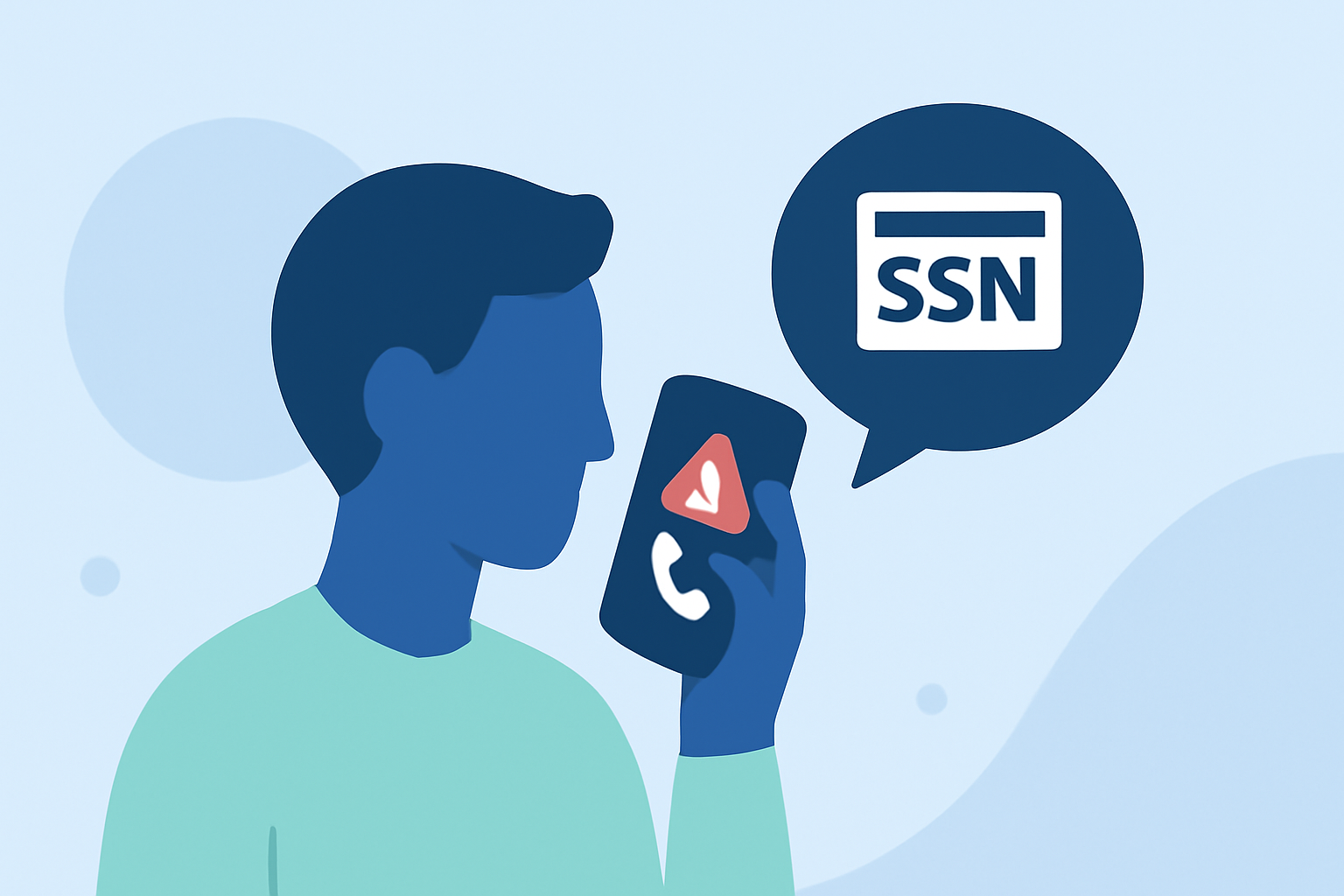
Social Security scam calls are a pervasive threat, with fraudsters employing various tactics to deceive individuals into providing personal information or money. Recognizing these scams and taking proactive measures can significantly reduce your risk.
What Are Social Security Scam Calls?
Scammers impersonate Social Security Administration (SSA) officials to create a sense of urgency, often claiming issues with your Social Security number or benefits. They may threaten arrest, legal action, or offer to increase your benefits in exchange for immediate payment. These calls can appear legitimate, making it crucial to stay vigilant. (ssa.gov)
How Do Scammers Operate?
Scammers use various tactics to deceive individuals:
- Caller ID Spoofing: Displaying SSA's official number to appear authentic.
- Urgent Threats: Claiming your Social Security number is suspended or involved in criminal activity.
- Immediate Payment Demands: Requesting payment via gift cards, wire transfers, or cryptocurrency.
- Personal Information Requests: Seeking sensitive data like your Social Security number or bank account details.
These methods exploit trust and fear to manipulate individuals into compliance. (oig.ssa.gov)
How Can You Protect Yourself?
Implementing the following strategies can safeguard you against these scams:
- Recognize Red Flags: Be cautious of unsolicited calls or messages demanding immediate action or payment.
- Verify Caller Identity: If in doubt, hang up and contact SSA directly using official contact information.
- Secure Personal Information: Keep your Social Security card and sensitive documents in a safe place; do not share personal information unless you're certain of the recipient's identity.
- Monitor Financial Accounts: Regularly review bank statements and credit reports for unauthorized activity.
- Report Suspicious Activity: Notify the SSA Office of the Inspector General (OIG) about potential scams. (ssa.gov)
What Are the Signs of a Scam Call?
Common indicators include:
- Threats of Legal Action: Claims of arrest or legal consequences for non-payment.
- Unusual Payment Methods: Requests for payment via gift cards, wire transfers, or cryptocurrency.
- Pressure Tactics: Urgency to act immediately to avoid negative consequences.
- Unsolicited Requests for Personal Information: Asking for sensitive data without a legitimate reason.
Being aware of these signs can help you identify and avoid scams. (oig.ssa.gov)
How Does Robokiller Help Protect Against Scam Calls?
Robokiller offers advanced call-blocking technology that identifies and blocks scam calls, including those impersonating SSA officials. By analyzing call patterns and metadata, Robokiller effectively filters out fraudulent calls, providing users with peace of mind. Unlike some competitors, Robokiller prioritizes user privacy by not accessing or storing call content. (techradar.com)
What Should You Do If You Receive a Suspicious Call?
- Hang Up Immediately: Do not engage with the caller.
- Do Not Share Personal Information: Avoid providing any personal or financial details.
- Report the Incident: Contact the SSA OIG to report the scam. (ssa.gov)
How Can You Stay Informed About Scams?
Stay updated by following official SSA communications and subscribing to alerts from the SSA OIG. Educating yourself and others about common scam tactics is a proactive step toward prevention. (ssa.gov)
By staying informed and vigilant, you can protect yourself from Social Security scam calls and ensure your personal information remains secure.