Tech support scams are deceptive tactics where fraudsters impersonate legitimate tech companies to steal money or personal information. Recognizing and avoiding these scams is crucial for safeguarding your digital security.
What Are Tech Support Scams?
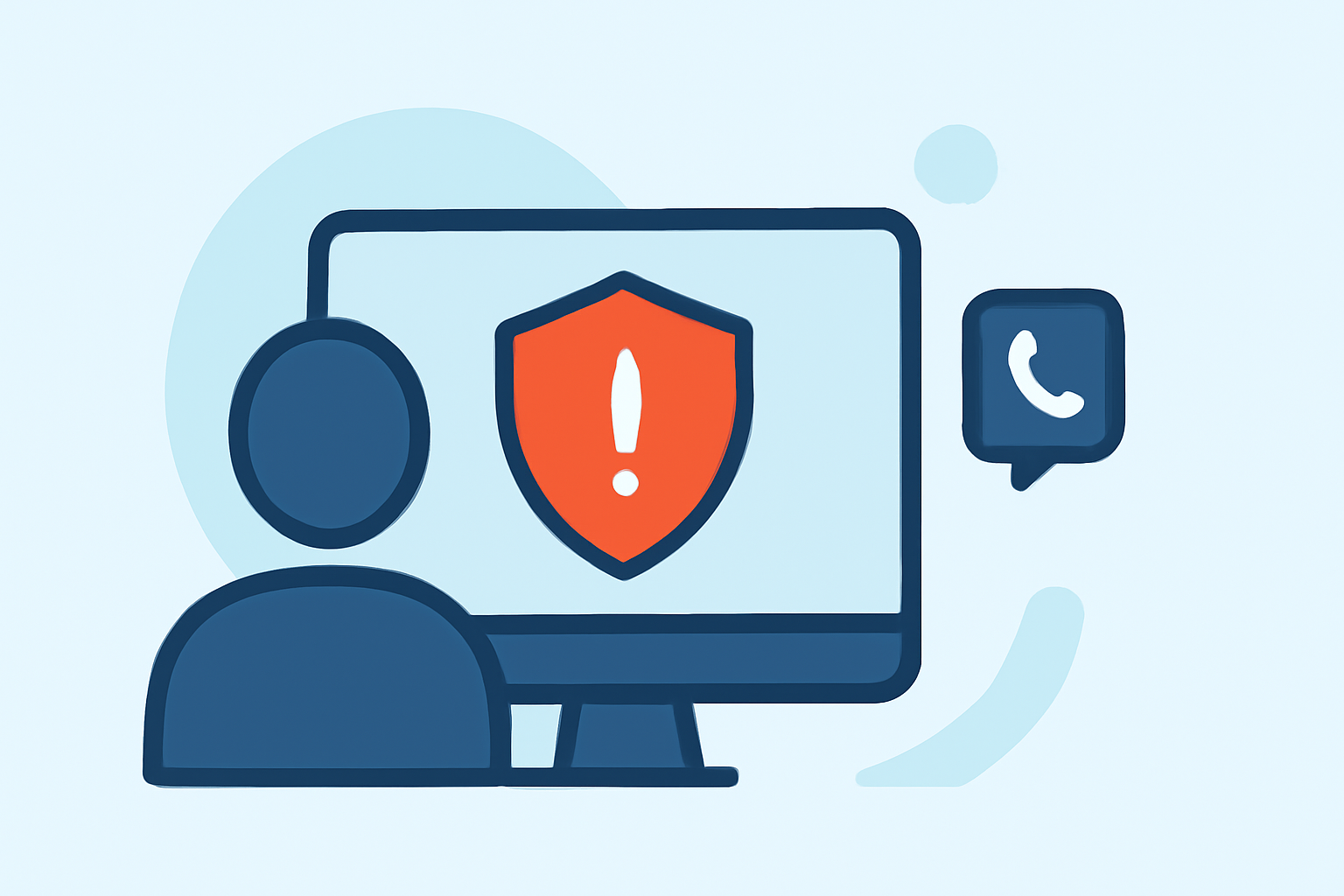
Tech support scams involve scammers posing as representatives from well-known companies, claiming your computer has issues that require immediate attention. They may contact you via unsolicited calls, emails, or pop-up messages, urging you to grant remote access to your device or pay for unnecessary services. The goal is to exploit your trust to steal money or sensitive information. (ftc.gov)
How Do Tech Support Scams Operate?
Scammers employ various tactics to deceive individuals:
-
Unsolicited Contact: Receiving unexpected calls or messages from individuals claiming to be from reputable tech companies.
-
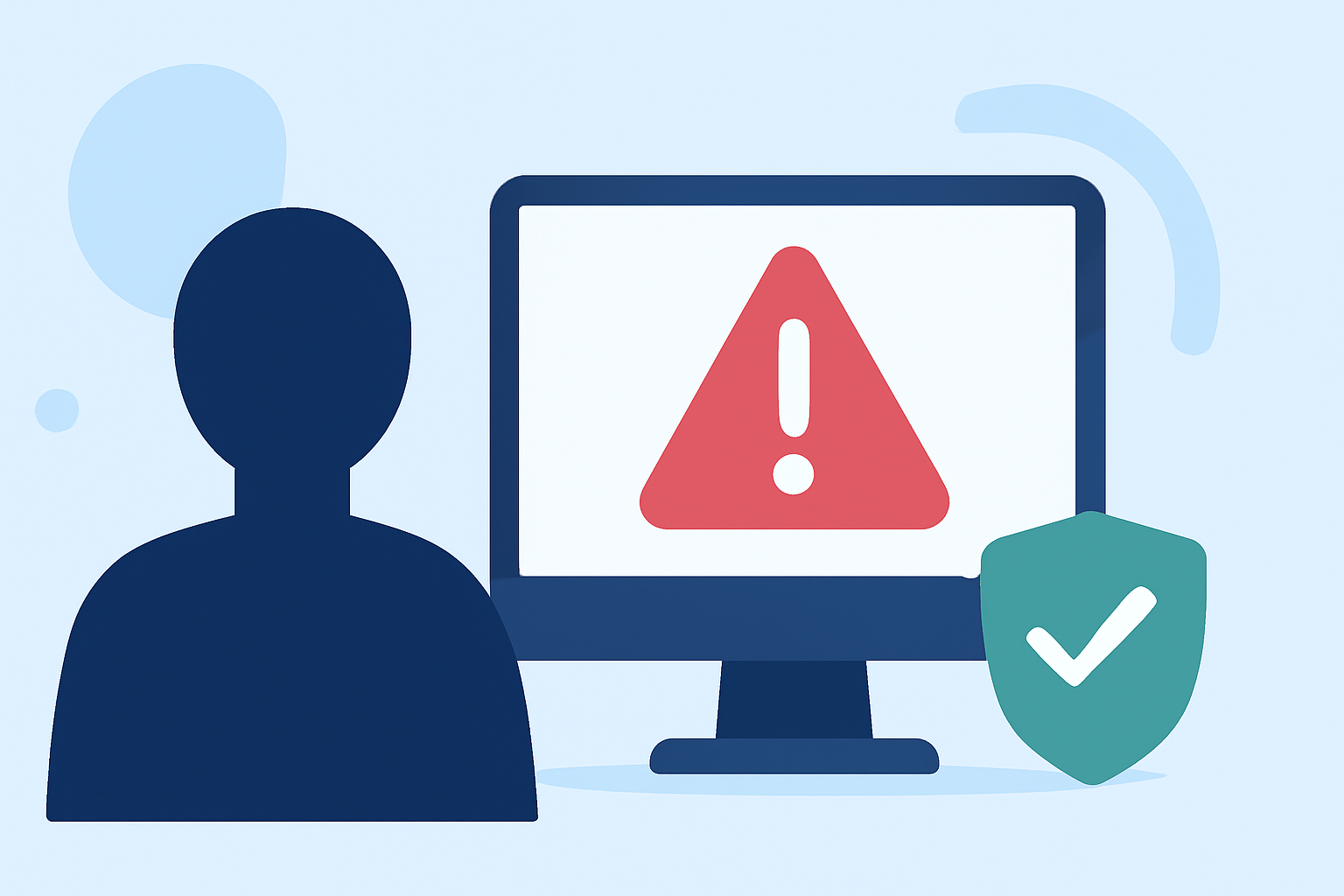
Urgent Warnings: Displaying alarming pop-up messages or fake error alerts suggesting your computer is infected.
-
Remote Access Requests: Convincing you to grant remote access to your device under the guise of fixing a problem.
-
Payment Demands: Insisting on immediate payment for services or software that are unnecessary or nonexistent. (consumer.ftc.gov)
How Can You Protect Yourself from Tech Support Scams?
To safeguard against these scams, consider the following measures:
-
Be Skeptical of Unsolicited Contact: Legitimate companies do not initiate unsolicited calls or messages to inform you of computer issues. (ftc.gov)
-
Avoid Granting Remote Access: Never allow remote access to your computer unless you are certain of the individual's identity and have initiated the contact. (bbb.org)
-
Use Reputable Security Software: Install and maintain up-to-date antivirus and anti-malware software to detect and prevent malicious activities.
-
Regularly Update Your System: Keep your operating system and software updated to patch vulnerabilities that scammers might exploit.
-
Educate Yourself and Others: Stay informed about common scam tactics and share this knowledge with friends and family to prevent them from falling victim.
What Should You Do If You Suspect a Tech Support Scam?
If you believe you've encountered a tech support scam:
-
Do Not Engage: Avoid interacting with the scammer or providing any personal information.
-
Report the Incident: Notify the Federal Trade Commission (FTC) at ReportFraud.ftc.gov to help authorities track and combat these scams. (consumer.ftc.gov)
-
Seek Professional Assistance: If you suspect your device has been compromised, consult a trusted IT professional to assess and secure your system.
How Can Robokiller Help Protect You from Tech Support Scams?
Robokiller offers advanced call-blocking technology that identifies and blocks scam calls, including tech support scams, before they reach you. By analyzing incoming calls and using a comprehensive database of known scam numbers, Robokiller effectively prevents fraudulent calls from disturbing you. This proactive approach ensures that you can use your devices without the constant threat of scam calls.
What Are Some Additional Tools to Prevent Tech Support Scams?
In addition to Robokiller, consider the following tools and features to enhance your protection:
-
Microsoft's Scareware Blocker: Microsoft has enhanced its Edge browser to combat tech support scams through the wider rollout of its Scareware blocker and the introduction of a new scareware sensor. This initiative uses artificial intelligence, computer vision, and Defender SmartScreen threat intelligence to identify and block deceptive web pages that mimic virus alerts or security warnings. (techradar.com)
-
NordVPN's Scam Call Protection: NordVPN has launched a new Scam Call Protection feature for Android users in the U.S., aiming to combat phone-based fraud such as phishing, identity theft, and social engineering. The feature scans incoming calls for suspicious behavior and alerts users before they answer. (tomsguide.com)
-
Android's In-Call Spam Protection: Google has introduced a new safety feature for Android users in the U.S. aimed at preventing banking-related scams during phone calls. This update detects if a user is on a call with an unknown number while attempting to open a banking or payment app and provides a warning before proceeding. (androidcentral.com)
Conclusion
Tech support scams are a significant threat to personal and financial security. By staying informed, being cautious of unsolicited contacts, and utilizing protective tools like Robokiller, you can effectively safeguard yourself against these deceptive practices.
Highlights:
- Microsoft is finally clamping down on scam attacks with new "scareware" sensor - here's what you need to know, Published on Tuesday, November 04
- What is NordVPN's new Scam Call Protection feature?, Published on Thursday, July 31
- Android now warns before you open banking apps during risky calls, Published on Wednesday, December 03