Warranty spam calls are a prevalent nuisance in the United States, with millions of consumers receiving such calls annually. These unsolicited communications often claim that your vehicle's warranty is about to expire, urging you to provide personal information or make immediate decisions. Understanding how to reduce the risk of these calls is essential for safeguarding your privacy and peace of mind.
What Are Warranty Spam Calls?
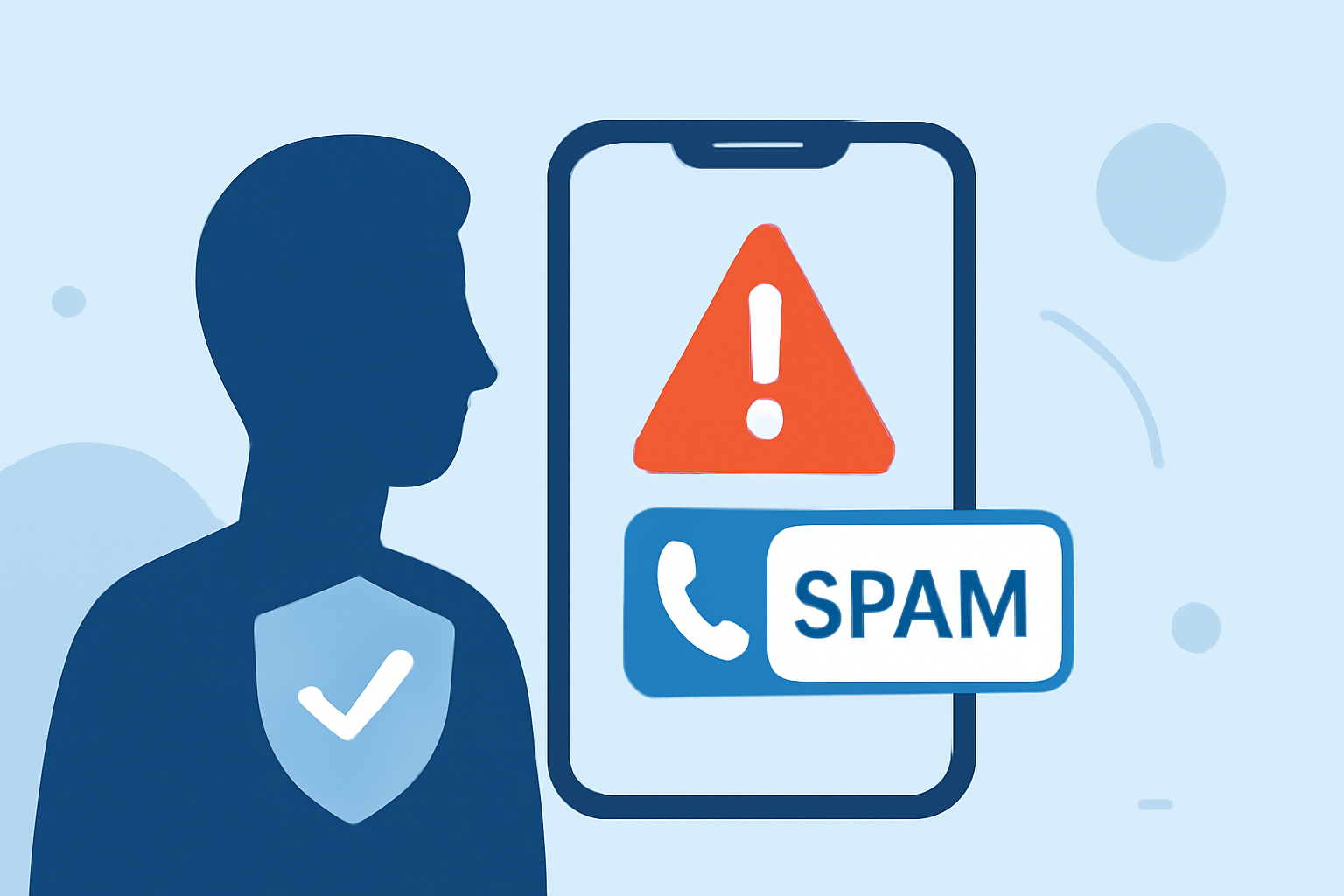
Warranty spam calls are unsolicited phone calls from individuals or automated systems claiming to represent vehicle manufacturers or authorized dealers. They often assert that your vehicle's warranty is nearing expiration and pressure you to purchase extended coverage or provide sensitive information. These calls can be persistent and may use high-pressure tactics to create a sense of urgency.
Why Are Warranty Spam Calls a Concern?
These calls are concerning because they can lead to:
-
Financial Loss: Consumers may be tricked into paying for unnecessary services or providing credit card information to fraudulent entities.
-
Identity Theft: Sharing personal information can expose you to identity theft risks.
-
Increased Unwanted Communications: Engaging with these calls can lead to more spam and robocalls.
How Can You Reduce the Risk of Receiving Warranty Spam Calls?
- Register with the National Do Not Call Registry:
By adding your number to the National Do Not Call (DNC) Registry, you can reduce the number of unsolicited calls you receive. While this won't eliminate all spam calls, it can significantly decrease them. As of January 2024, the DNC Registry had over 249 million active registrations. (ftc.gov)
- Be Cautious with Your Personal Information:
Limit sharing your phone number and other personal details online. Scammers often obtain numbers from public records, data breaches, or by purchasing lists. Being selective about where you share your information can help reduce unwanted calls.
- Use Call Blocking and Screening Tools:
Many smartphones and third-party apps offer features to block or screen calls from unknown or suspicious numbers. For instance, Robokiller's technology is 99% effective at stopping spam calls and unwanted messages. (robokiller.com)
- Avoid Engaging with Spam Calls:
If you receive a call claiming to be about your vehicle's warranty, do not provide any personal information or financial details. Hang up immediately. Engaging with these calls can lead to more spam and potential scams.
- Report Unwanted Calls:
Reporting spam calls to the Federal Trade Commission (FTC) can help authorities track and take action against fraudulent activities. In fiscal year 2023, the FTC received over two million Do Not Call complaints, with a significant portion related to robocalls. (ftc.gov)
What Are the Legal Measures Against Warranty Spam Calls?
The FTC actively works to combat unwanted and fraudulent calls. In July 2023, the FTC, along with over 100 federal and state law enforcement partners, announced "Operation Stop Scam Calls," targeting operations responsible for billions of calls to U.S. consumers. (ftc.gov)
How Effective Are Call Blocking Services?
Call blocking services, like Robokiller, have proven effective in reducing spam calls. In December 2023, Robokiller blocked over 7 million spam calls, intercepting more than 4.6 million calls with its Answer Bots. (robokiller.com)
What Are the Common Tactics Used in Warranty Spam Calls?
Scammers often use tactics such as:
-
Urgency: Claiming that your warranty is about to expire and immediate action is required.
-
Impersonation: Pretending to be from reputable companies or government agencies.
-
Too Good to Be True Offers: Offering extended warranties at significantly reduced prices.
Conclusion
While it's challenging to completely eliminate warranty spam calls, implementing these strategies can significantly reduce their frequency and impact. Staying informed and vigilant is key to protecting yourself from these unwanted and potentially harmful communications.
Highlights:
- FTC Releases Annual Do Not Call Registry Data Book Showing Consumer Complaints Continued to Decrease in Fiscal Year 2023 | Federal Trade Commission